


A Complete Guide to Current Sensor Core Selection: Magnetic Material Holds the Key to Measurement Accuracy
Jun 03, 2026
Professionals engaged in power metering, new energy electronic control and industrial control equipment all know that circuit design is only superficial for sensor performance, while magnetic cores constitute the core essence. Many common faults including accuracy drift, severe temperature drift, waveform distortion under high current and inaccurate leakage current measurement seem to stem from algorithms or signal sampling, yet the root cause mostly lies in improper magnetic core material selection. The choice of magnetic material defines a sensor's upper limit of precision, stability range, applicable frequency band and final production cost. This article elaborates on the practical application of six mainstream core materials in plain language to help avoid common selection pitfalls.
Six Widely Used Magnetic Cores with Distinct Advantages & Exclusive Application Scenarios
1. Ferrite: Cost-Effectiveness Leader, Ideal for High-Frequency Applications
Its prominent strengths include low high-frequency loss, competitive pricing and mature manufacturing process.
Perfect for switching power supplies, small home appliances, general industrial control and high-frequency sampling applications.
However, ferrite has notable drawbacks: low saturation magnetic flux density makes it prone to magnetic saturation under high current, rendering it unsuitable for high-precision and high-current equipment.

2. Silicon Steel: Time-Honored Material for Power-Frequency Equipment
As a standard material for conventional power equipment, silicon steel features strong resistance to high current and magnetic saturation with superior stability.
It is nearly irreplaceable for power-frequency distribution cabinets, traditional current transformers and grid metering devices.
Its main disadvantage is poor high-frequency performance and substantial eddy current loss. Accuracy and efficiency drop sharply with rising frequency, making it entirely unsuitable for high-frequency working conditions in new energy applications.

3. Permalloy: The "Magnifying Glass" for Weak Signals
Permalloy boasts an extremely high initial permeability, enabling exceptional sensitivity to tiny currents and faint stray magnetic flux.
It excels in precision instruments, medical equipment and high-accuracy low-current measurement applications.
Drawbacks: susceptible to mechanical stress, high material cost and mediocre performance under heavy current; applicable solely to high-precision small-signal scenarios.
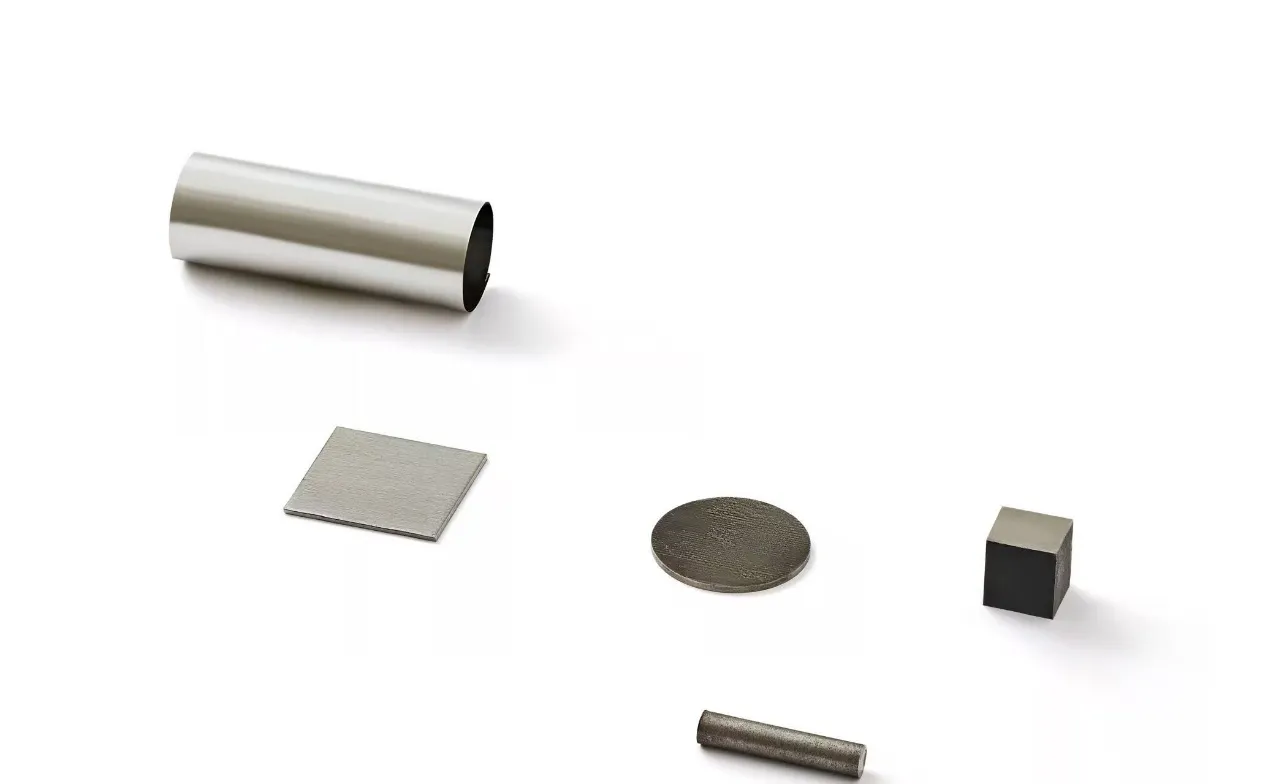
4. Fe-based Amorphous: Cost-Effective All-Rounder for New Energy
Amorphous cores have become a dominant material widely adopted in new energy equipment in recent years.
Featuring high permeability, low core loss, minor temperature drift and fast response speed, they deliver balanced overall performance and fit mid-to-high-end applications such as charging piles, energy storage systems, PV inverters and new-energy motor controllers.
With better pricing than nanocrystalline alloys, they stand as the most cost-efficient high-grade magnetic material for mass production.


